
Blog · Family moments
How to plan a family reunion, step by step
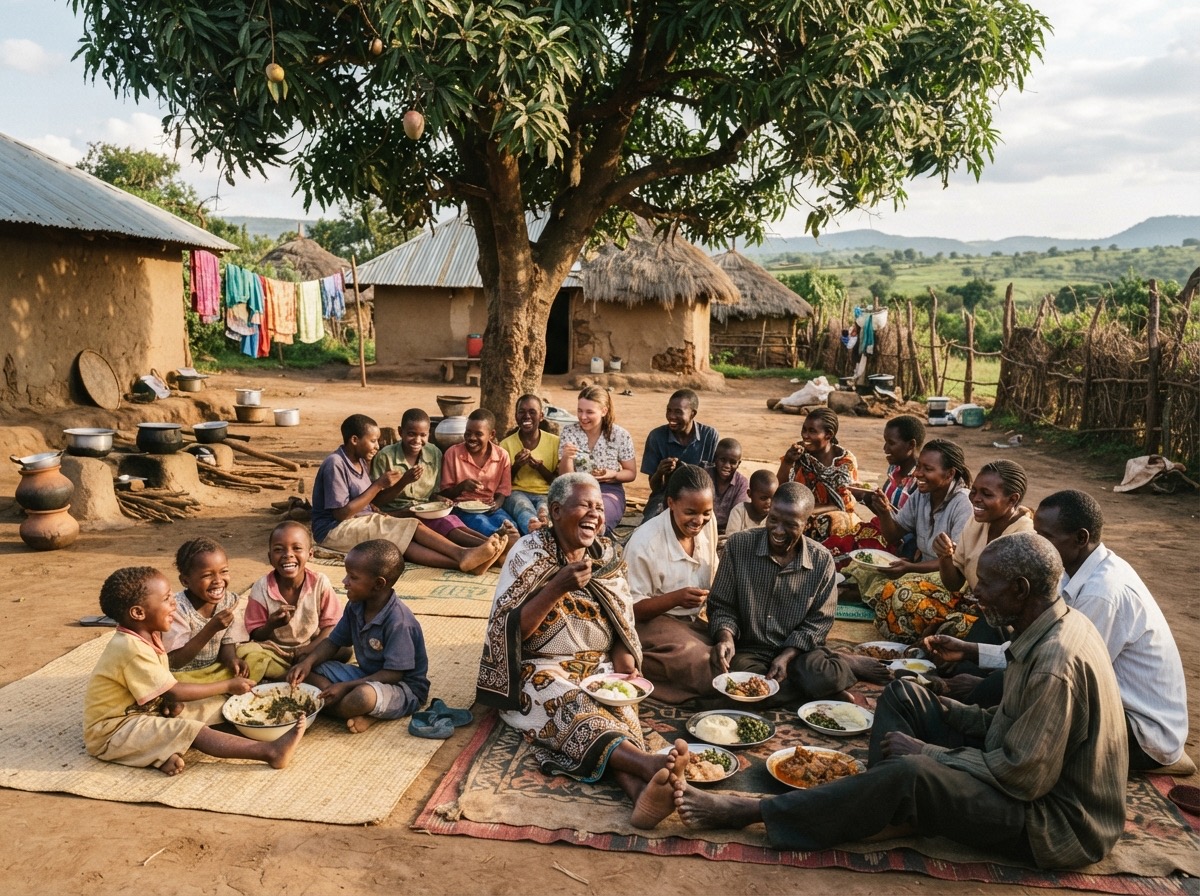
A family reunion is easy to dream about and hard to organise. Cousins live in different towns, aunties have strong opinions about the date, and somebody always asks who is paying. This guide takes you from "we should do this" to a happy day, in plain steps, so one person does not end up carrying everything.
Step 1: Pick a small team first
Do not plan alone. Ask four or five people from different branches of the family to form a small planning team. Each branch hears about it early, and each branch has someone to call.
Give each person one job:
- Chairperson: keeps everyone on the same date and the same plan.
- Treasurer: looks after the money and writes down every shilling in and out.
- Venue and food: finds the place and the cooking.
- Contacts: collects names and phone numbers.
- Programme and memories: plans the day and makes sure photographs are taken.
Step 2: Decide why you are meeting
A reunion without a reason becomes a long lunch. Choose one main reason, and say it plainly in the invitation. For example:
- To meet the cousins who have never met each other.
- To honour a grandparent's birthday or a family anniversary.
- To visit the home where the family began.
- To bring the family together after a funeral, when people travelled far and left too quickly.
Step 3: Make the guest list (and be generous)
Start with the oldest living members and work down. Write each household on one line: the names, the number of adults and the number of children, and a phone number. This one list also tells you how many chairs, plates and cooking pots you need.
Do not forget those who live far away. Even if they cannot come, they will love being asked, and they may send a photograph, a story or a small contribution.
Step 4: Set the date and the budget
Choose the date by asking, not by announcing. Offer two or three weekends and let the family vote in the WhatsApp group. School holidays, long weekends and the December season suit many families, but they are also expensive and busy, so book early.
Then work out the budget. The main costs are usually:
- The venue, if it is not a family home.
- Food and drink (the biggest cost, by far).
- Transport for elders who cannot travel alone.
- Tents, chairs and a sound system, if you need them.
- Printing, T-shirts and small gifts.
Divide the total by the number of adult households to get a fair contribution. Let those who can give more do so, and make sure nobody is ashamed to give less. Agree a deadline for contributions and collect everything in one place, with the treasurer sending a short update to the whole family every week.
Step 5: Choose a venue everyone can reach
Think about the oldest and the youngest person you want to be comfortable. A good venue has:
- Shade or a roof, in case of rain or hot sun.
- Toilets, and a quiet place where an elder can rest.
- Parking or a clear matatu route.
- Space for children to play where adults can still see them.
- Space for one big group photograph.
A family home keeps costs low and carries meaning. If the compound is too small, a church hall, a school ground or a community hall may be cheaper than you think; ask early.
Step 6: Plan a simple programme
Do not fill every hour. Reunions are about talking, so leave room for it. A gentle shape for the day:
- Arrival and tea (about an hour). People find each other.
- Welcome and prayer. The eldest present speaks first, if they are willing.
- Introductions. Each household stands and says who they are and who they belong to. This is the moment the children learn the family.
- Family story. Invite an elder to tell how the family began, or read a short history aloud.
- Lunch.
- Games and music for children and young people while elders talk.
- The big photograph, before anyone starts to leave.
- Closing words, thanks to the team, and the date of the next gathering.
Step 7: Plan for the elders and the children
Elders need a seat, shade, food that is easy to eat and a person to look after them. Children need things to do. A simple treasure hunt, a football match or a drawing table keeps them happy for hours.
Two quiet kindnesses make a big difference:
- Put a name tag on everyone, with their name and their parent's name. Nobody has to guess who a tall teenager is.
- Ask one relative to sit with each elder who is hard of hearing, so they are included in the conversation.
Step 8: Capture the memories on the day
Most families take plenty of photographs and then lose them in twenty different phones. Decide before the day how you will gather them.
- Ask one person to be the photographer for the group photographs, and another to collect names while the picture is taken.
- Take the big group photograph twice, once standing and once seated. Someone always blinks.
- Record an elder telling a short story on a phone. A minute of voice is worth more than a page of notes.
- Write the names of everyone in the photograph the same day. In ten years, nobody will remember.
- After the event, ask every household to send their best photographs to one person, and collect them in one place.
Step 9: Follow up within a week
The reunion is only half done when the last guest leaves. Within a week:
- Thank everyone, and share the main photographs.
- Send the treasurer's final report, showing what came in and what was spent.
- Return any leftover money, or set it aside for the next reunion.
- Agree who will organise the next one, and when.
A simple checklist
- Planning team and jobs agreed
- Reason for the reunion written down
- Guest list with phone numbers
- Date chosen by the family
- Budget and contribution per household
- Venue booked, with shade and toilets
- Programme and speakers confirmed
- Name tags, elders' seating, children's activities
- Photographer and a plan to collect photographs
- Thank-you message and financial report sent
When the day is over
A reunion gives you something rare: the whole family in one place, with names and faces and stories. Do not let it end in a WhatsApp group that goes quiet. Write down who came, put the names to the faces, and keep the photographs somewhere the whole family can reach them. If you are not sure where to begin with names and relationships, our guide on how to make a family tree walks you through it.
Album is a private family album on your own web address, where the family tree, photographs, videos and stories sit together and relatives you invite as Contributors can add their own photographs and stories; see a demonstration album.