
Blog · Family trees
Family medical history: what to write down and why
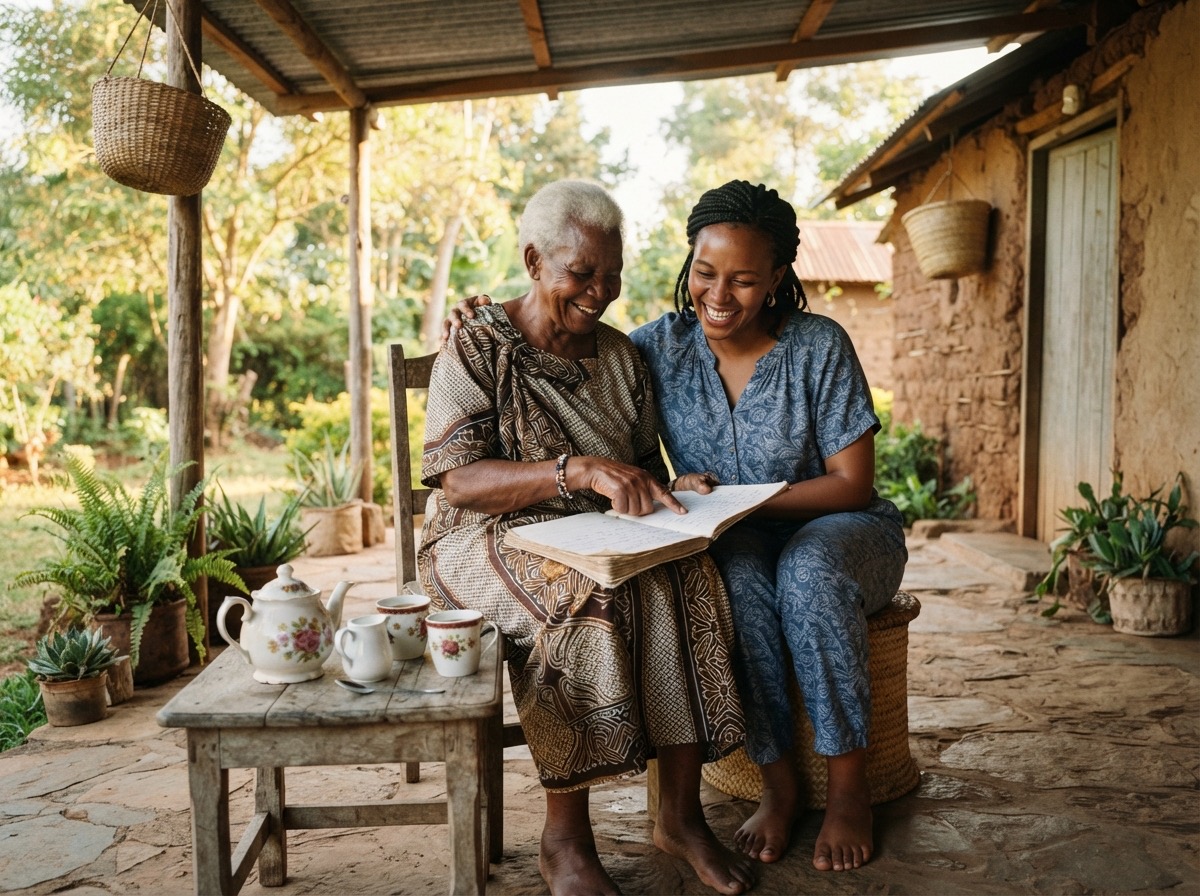
Sooner or later a doctor asks, "Does anything run in your family?" Most of us go quiet. We know Grandfather "had sugar" and an aunt "was unwell for a long time", but nobody wrote it down, and the people who knew are getting older.
A family medical history is a short, plain record of which illnesses your relatives had and roughly when. It is not a medical file and it does not diagnose anyone. Its job is simple: to give the next generation, and their doctors, a head start on what to watch for.
This is general information, not medical advice. Only a doctor can tell you what a family pattern means for you. Take your notes to your next check-up and ask.
Why it is worth the effort
- Some conditions are more common in families. Diabetes, high blood pressure, heart disease, some cancers, sickle cell, epilepsy and glaucoma are examples. A doctor may suggest earlier or more frequent check-ups if several relatives had the same one.
- "Age when it was found" matters. A condition found at 70 tells a doctor something different from the same condition found at 40.
- Memory fades faster than paper. Ask a grandparent now and you get the story. Wait ten years and you get "I think it was her heart?"
What to write down for each relative
You do not need a perfect answer. A rough one is far better than none. For each person, note:
- Who they are, and how they are related to you (mother's side or father's side helps).
- The condition, in the words the family used. "Sugar" can be written as diabetes; "pressure" as high blood pressure. Do not guess at a name you are unsure of. Write what you were told.
- Roughly how old they were when it was found. "In his fifties" is fine.
- Whether it was what they passed from, if the family knows.
- Anything useful: what treatment helped, or what a doctor asked about.
Look first at your parents, grandparents, aunts, uncles and your own brothers and sisters. They are the closest, so they matter most to a doctor.
How to ask without upsetting anyone
Health is private, and some relatives will not want to talk. A few things help:
- Explain why. "I want to tell my doctor what to watch for, and I want my children to know" is easier to hear than "tell me about your illness".
- Ask older relatives in person, one at a time, not in a crowded family group chat.
- Let people say no. If an uncle would rather not share, write nothing about him.
- Never share a living person's details more widely than they allow. Their health is theirs. Add only what they, or their close family, are happy for you to record.
- Be gentle about the past. When someone has passed on, a daughter or a brother may still find it hard to talk about. Let them go at their own pace.
If you are also collecting stories, the questions in 50 questions to ask your grandparents are a kind way into the conversation. You can ask about health in the same sitting.
Spotting a pattern
Once you have a few names, look for the same condition appearing in two or more relatives. That is the part to tell your doctor about. One person with diabetes is common. Three on the same side of the family is worth mentioning.
Write the condition the same way each time so the pattern is easy to see, and do not worry if you only have a few entries. Even three lines is a start.
Keeping it private
A family's health history is among the most sensitive things you will write. Keep it where only the right people can open it. A shared WhatsApp group, a printed page left on a table or a spreadsheet emailed around is not the place.
Decide who should see it. Often that is you and a couple of trusted relatives, perhaps a sibling or a grown child. The rest of the family does not need it.
How it works in Album
In Album, the Family health section does exactly this and nothing more. In a family album:
- Only the album owner can add or change records. Each record belongs to a person in your tree, and you pick the condition (it suggests common ones such as diabetes, high blood pressure and sickle cell), the age it was found, whether it was what they passed from, and a note.
- Records you add are encrypted before they are stored.
- The page shows a list of conditions two or more relatives had, with their names, so the pattern is easy to find and take to a doctor.
- Only the owner, and the members the owner picks, can see it. That list is separate from the one for Wishes & assets, so you can share health history more widely than a will. For each person you can choose whether they see it now, or only later, once the family asks and you have not refused. The page also keeps a log of who opened it, though never what they read. Read more in who can see what in a family album.
Company, school and church albums do not have this section. It is for families.
Album keeps this section private for each family, and you can open the Family health page in the demo album to see how it looks. Anyone can read what is typed into the demo, so use made-up names there.